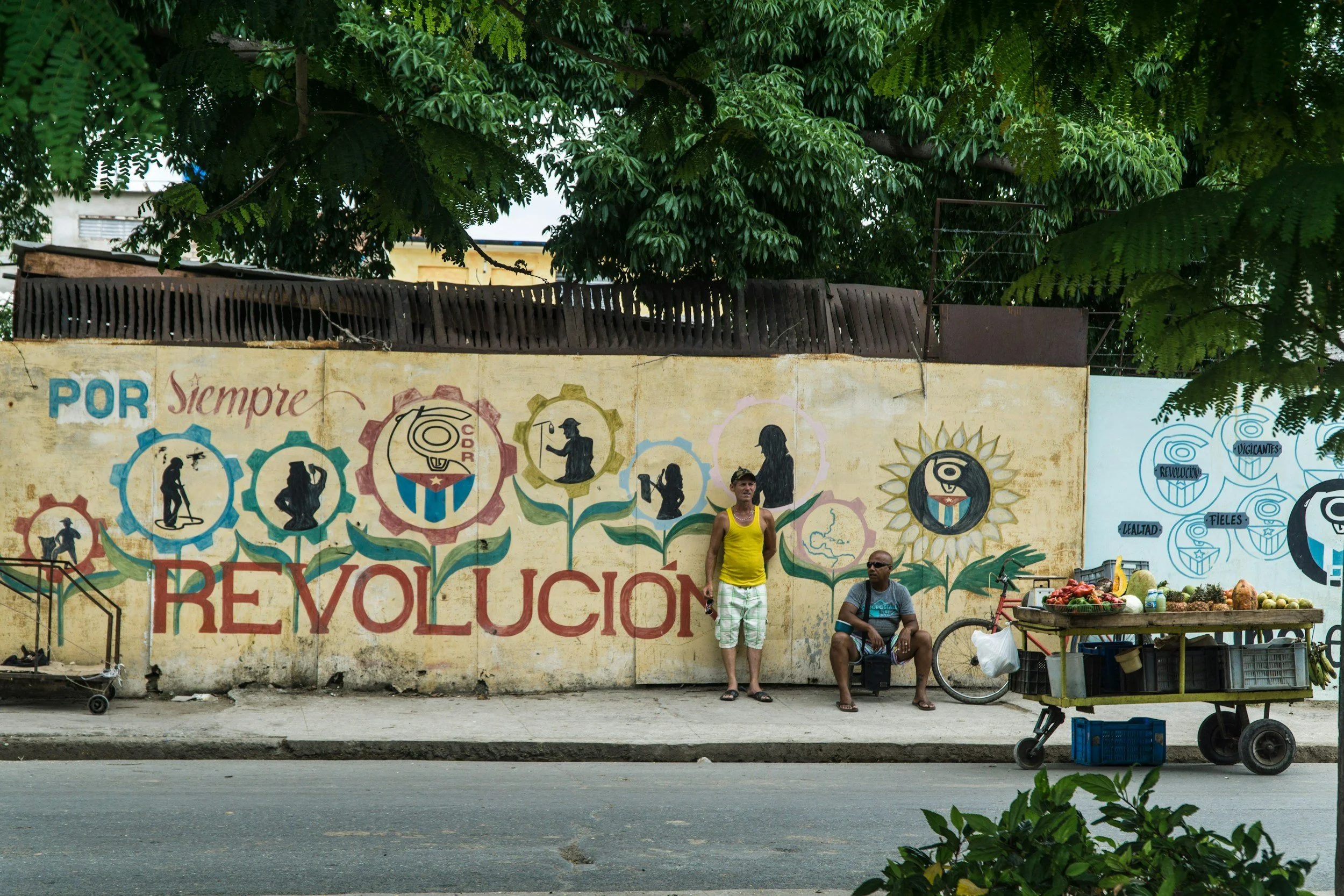

Apathy Is Killing Our Cities; From Pueblo to the Quad Cities
A kid who watches a thousand people share a post and then sees three people show up on a Saturday is not learning that their community is busy or scared. They're learning that the sympathy was real but the commitment wasn't and developmentally, that's a harder thing to metabolize than open hostility, because it comes from people who were supposed to be allies. That doesn't mean every non-attendee is responsible for a child's despair. It means turnout is not a symbolic metric. It's one of the concrete inputs into whether a young person in this community believes they have a future here worth waiting for.


What is Nefesh Min Lozen
Community has quietly disappeared from American life — and most of us don't even know what we're missing. Nefesh Lozen exists to rebuild it: real mutual aid, real neighbors, real family. Our name carries that mission in it. Nefesh is Hebrew for the wholeness of a person. Lozen was the Apache warrior who never stopped defending hers.
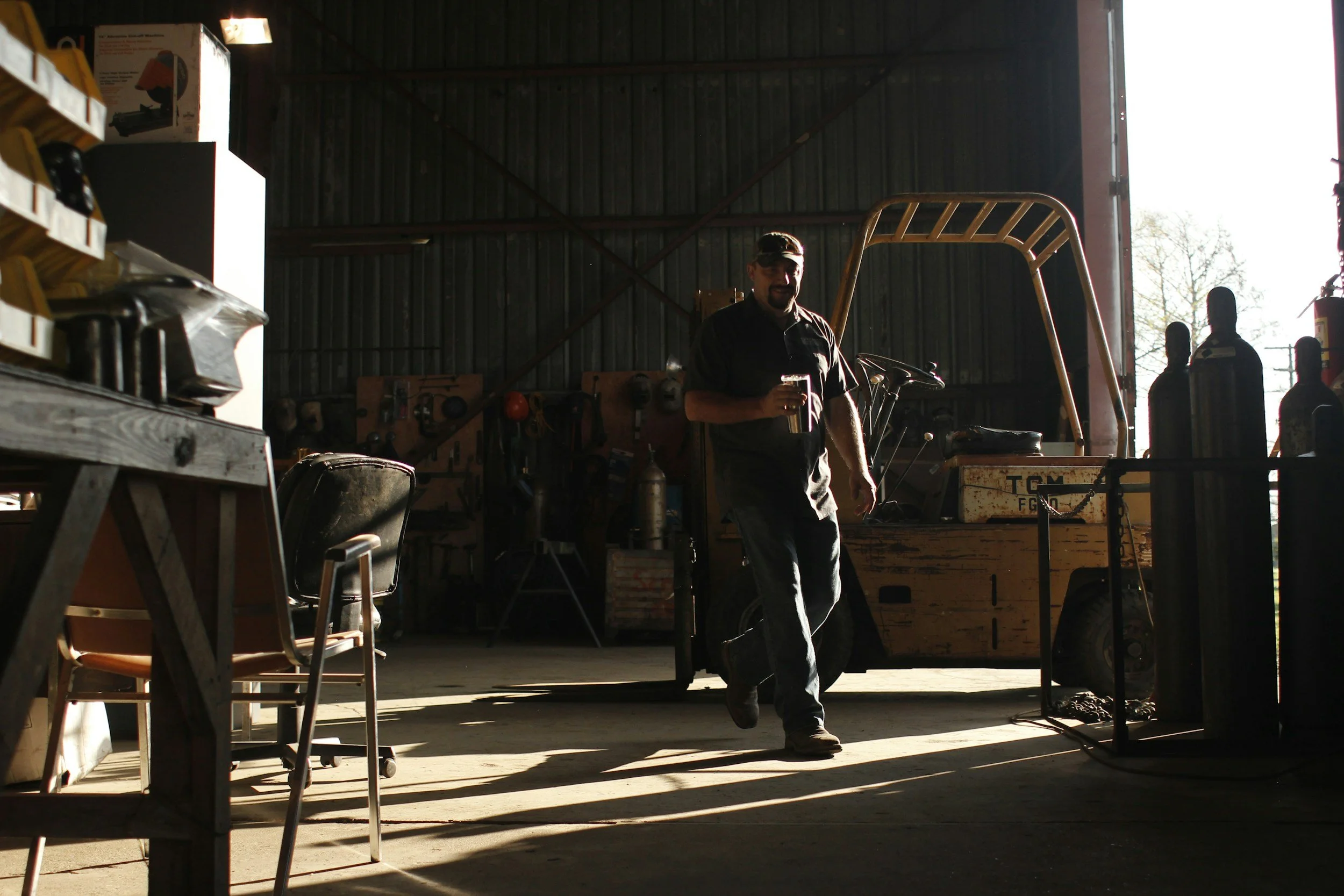
Dear Iowa Conservatives and blue collar workers,
The Tyson factory is gone permanently, and those jobs will never return — a harsh reminder of what happens when corporate interests outweigh the needs of working families. Iowa now faces a choice. A new Democratic coalition, stretching from democratic socialists to progressives, centrists, and everyday liberals, is working together to rebuild the state’s economy. They understand that to grow Iowa’s GDP and tax revenue, we must increase the velocity of money by investing in people, families, and strong community safety nets. Unlike Republicans, who allow corporate farms to buy out local land, poison soil, and push harmful data centers into rural communities, this coalition is focused on restoring local farming, supporting right‑to‑repair for equipment like John Deere tractors, regulating destructive corporate practices, and bringing manufacturing back to Iowa. Their plan is to return power to average farmers, strengthen unions, open new markets for Iowa’s crops and livestock, and create an economic boom that puts money back into people’s pockets. Iowa deserves a future built on community, opportunity, and growth — not corporate abandonment.

The Betrayal of WisDems Against Hong
The Wisconsin governor’s race showed us exactly what happens when corporate interests outweigh the will of the people. Francesca Hong began as the clear favorite, supported by everyday Wisconsinites and the Democratic Socialists of America. But after relentless smear campaigns and corporate pressure, the race shifted toward David Crowley—a candidate who re‑entered the race late and offered little commitment to protecting marginalized communities, including trans Wisconsinites.
This election wasn’t just a political loss; it was a warning. When Democrats choose “conservative‑lite” candidates instead of true progressives, they weaken their own base and fail to deliver the change people are demanding—fair wages, accessible healthcare, affordable housing, and a future where families can thrive.
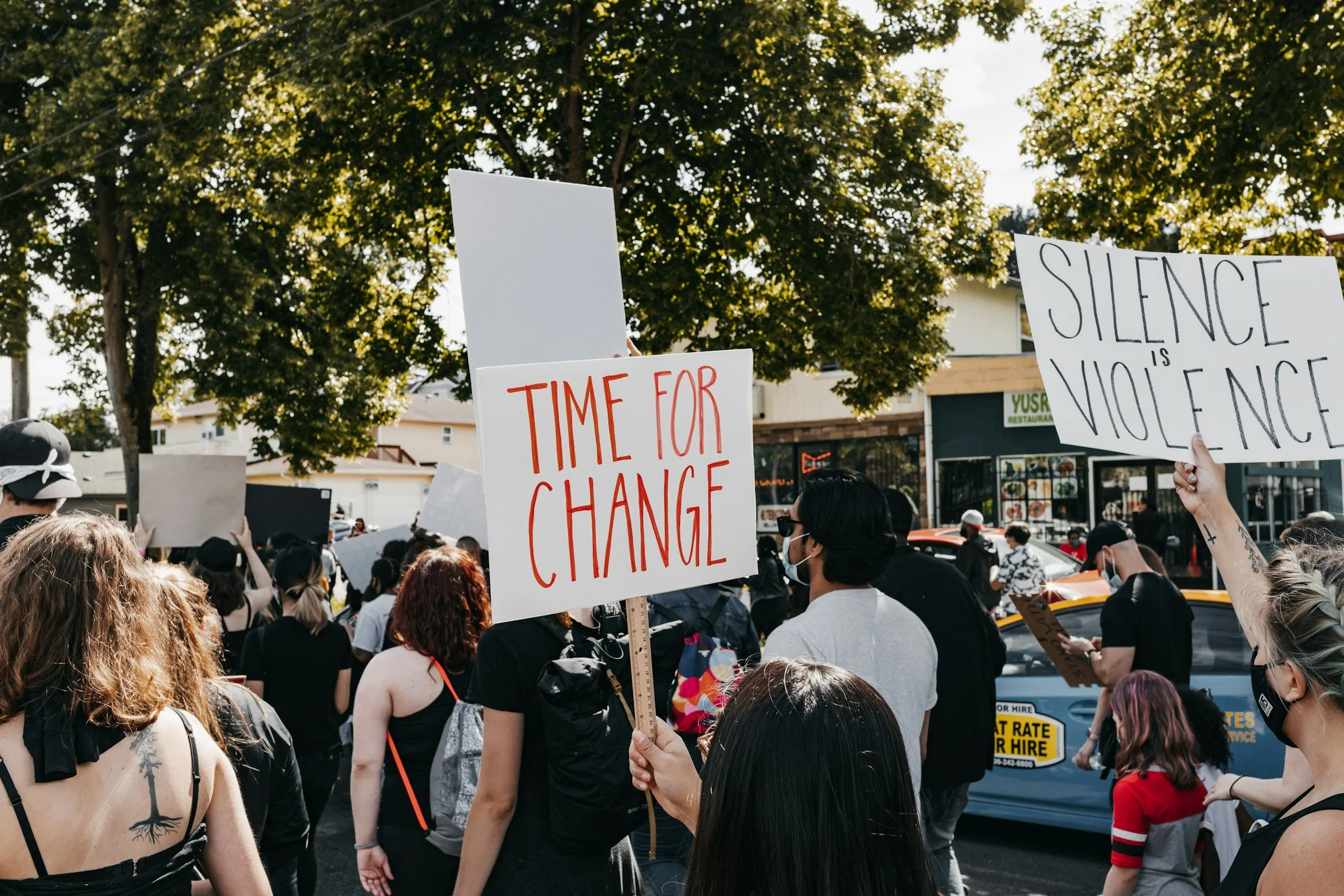
Greater trans rights campaign Milwaukee-Boise
Trans people across this country are being pushed into fear, invisibility, and isolation. Our campaign exists to break that isolation. From Milwaukee to Caldwell, we are building a connected movement that brings communities together across cities and states. These gatherings are not just protests. They are spaces for solidarity, healing, culture, and collective strength.
We refuse to let any institution use trans lives as political leverage. We refuse to let division define our future. By linking communities, uplifting local struggles, and creating shared spaces for art, organizing, and mutual aid, we are laying the groundwork for a new civil rights movement rooted in dignity and community power.
This campaign is about connection. It is about survival. It is about building the relationships and networks that make liberation possible.

The Growing Climate of Fear in Twin Falls: A Call for Community, Visibility, and Support
Twin Falls is reaching a breaking point. For many transgender residents, immigrants, BIPOC community members, and LGBTQIA+ youth, the growing climate of fear is no longer subtle it’s suffocating. People describe hiding who they are just to move through daily life, and the silence surrounding their struggles has become as dangerous as the hostility itself. While national PACs pour money into Idaho’s local races and extremist rhetoric spreads online and in public spaces, the support networks that vulnerable communities rely on remain thin, underfunded, and often invisible. Groups like Southern Idaho DSA and Trans Affirm are trying to build community, but they cannot do it alone. In a moment when outside forces are shaping the region’s political and social landscape, the absence of consistent, visible support leaves many feeling abandoned. The urgency is real: if neighbors do not show up for one another now, the fabric of the community will continue to fray, and those already pushed to the margins will be left to face this climate of fear without the protection of solidarity.
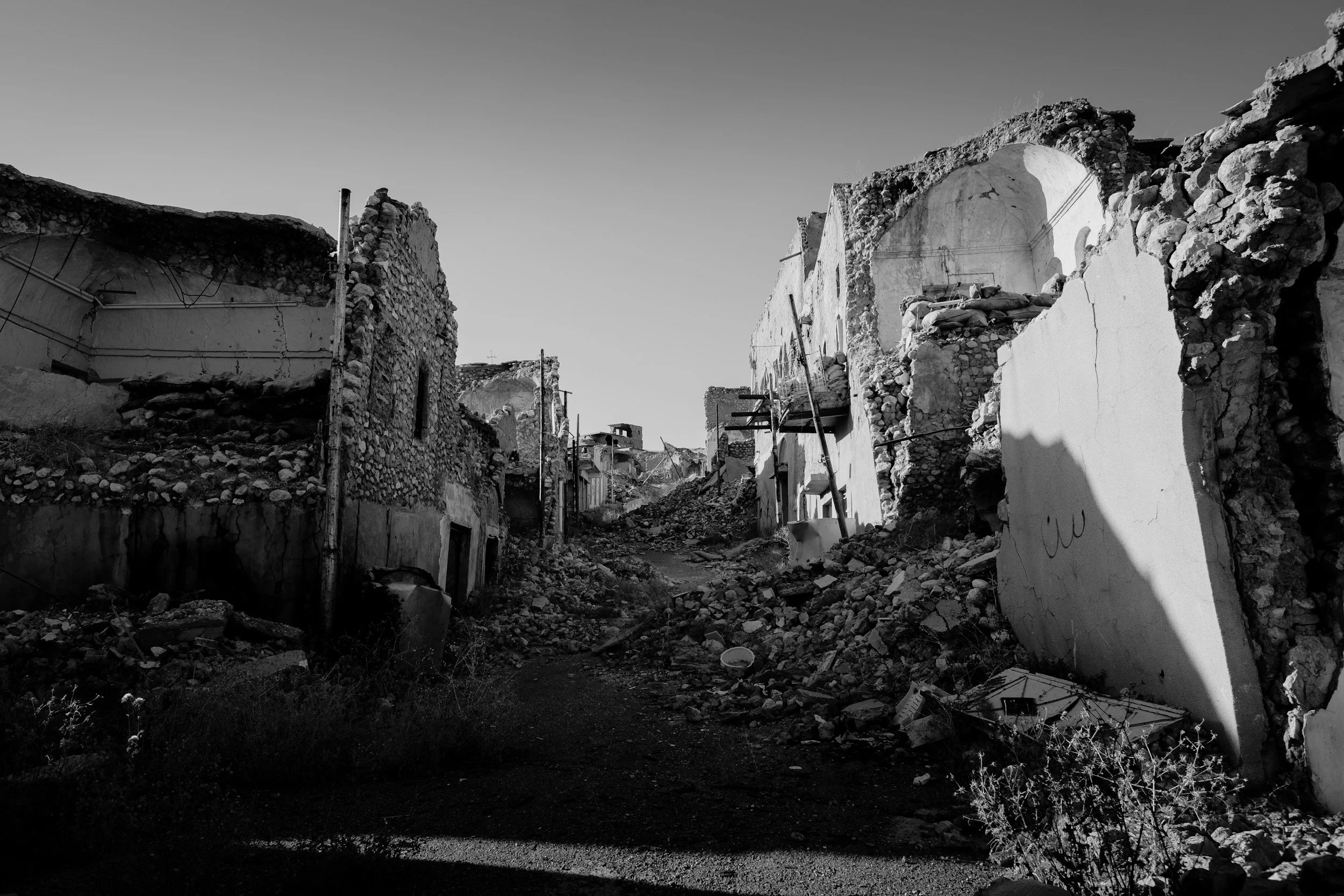
The Creeping Fascism Behind the War on Iran: A Warning We Cannot Ignore
The war on Iran no longer looks like a strategic conflict it looks like a political experiment. The United States has burned through precision munitions at an unsustainable pace, relied on decades‑old aircraft while newer systems sit idle, and removed multiple high‑ranking officers in rapid succession. These choices don’t add up militarily, but they do fit a different pattern: the authoritarian tactic of manufacturing crisis to justify purges and consolidate power.
Public reporting from Reuters, the Atlantic Council, and RAND shows a military strained by incoherent strategy and deliberate depletion of resources. At the same time, political rhetoric around the war has taken on the familiar logic of creeping fascism framing dissent as disloyalty, elevating emergency powers, and demanding unity behind the leader. Historically, regimes from Turkey to Russia have used wartime “failures” to identify and eliminate officers who refuse personal loyalty. The parallels are becoming impossible to ignore.
If this war is being used as a loyalty test rather than a national defense effort, then the danger is not only abroad. It is here at home, in the quiet reshaping of the military into a political instrument. The stakes are enormous, and the pattern is becoming harder to dismiss.

When Survival Is Activism
After a year on the front lines, I am frayed but not finished. I carry the constant, stomach‑tightening fear that laws will strip away the care that keeps me alive, and I shoulder the exhaustion of working full time, attending school, and organizing while others with more privilege debate strategy from a place of comfort. I break down in my car because there is nowhere safe to unload the grief of lives lost and the daily threats we face; I check my bank account before deciding whether to run an ad or rent a van for a protest. This is not a rhetorical plea it is a ledger of survival, a call for real solidarity, and a demand that those with power stop centering comfort over the lives of the most vulnerable.
Why the Left Should Support Ukraine
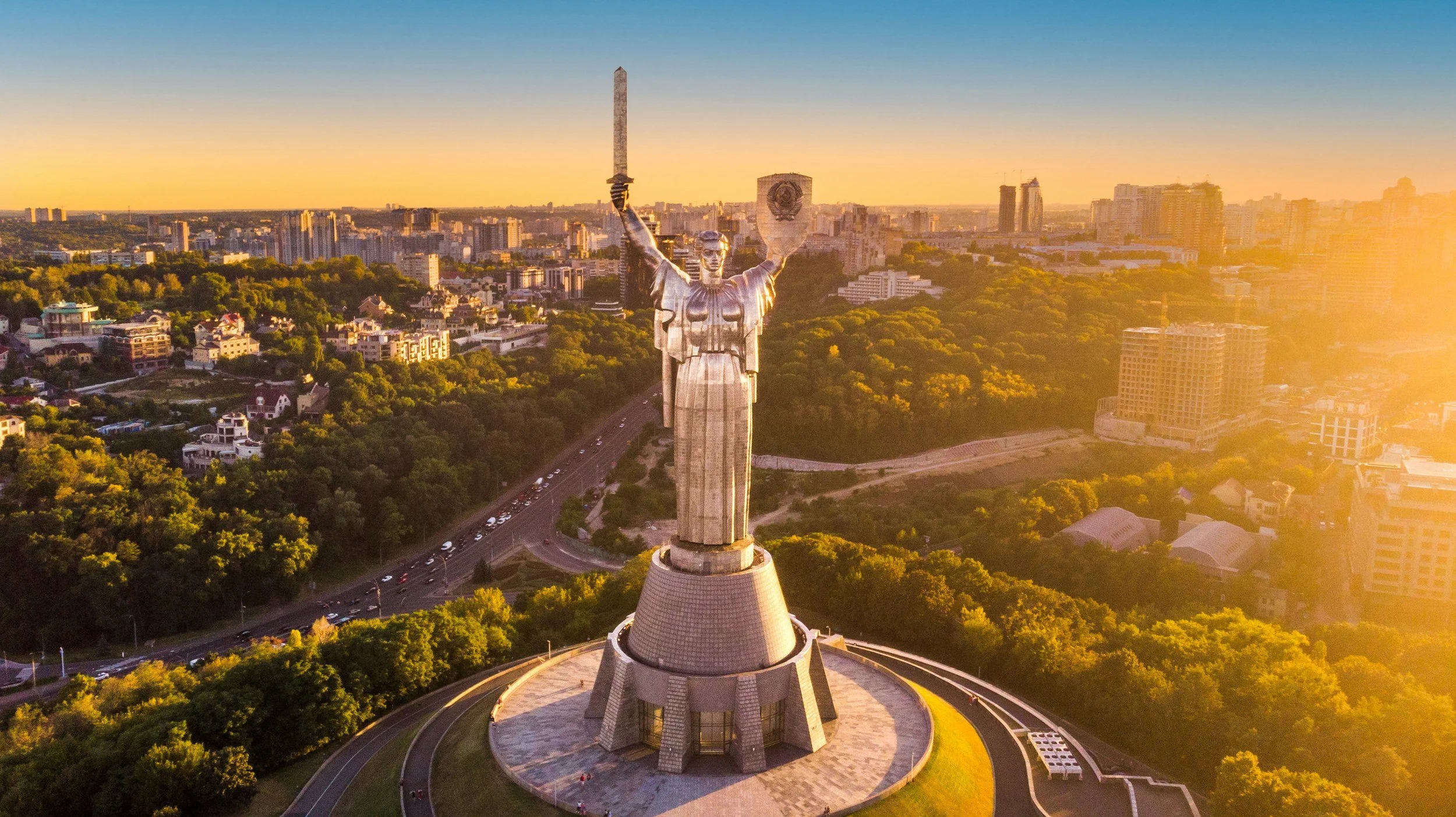
There is a growing and dangerous tendency on parts of the left to treat Ukraine as a political Rorschach test: if you oppose Western imperialism, you must oppose Ukrainian resistance; if you oppose nationalism, you must reject any country’s right to defend itself. That framing is both morally and strategically wrong.
When Solidarity Erases Us: Antisemitism on the Left
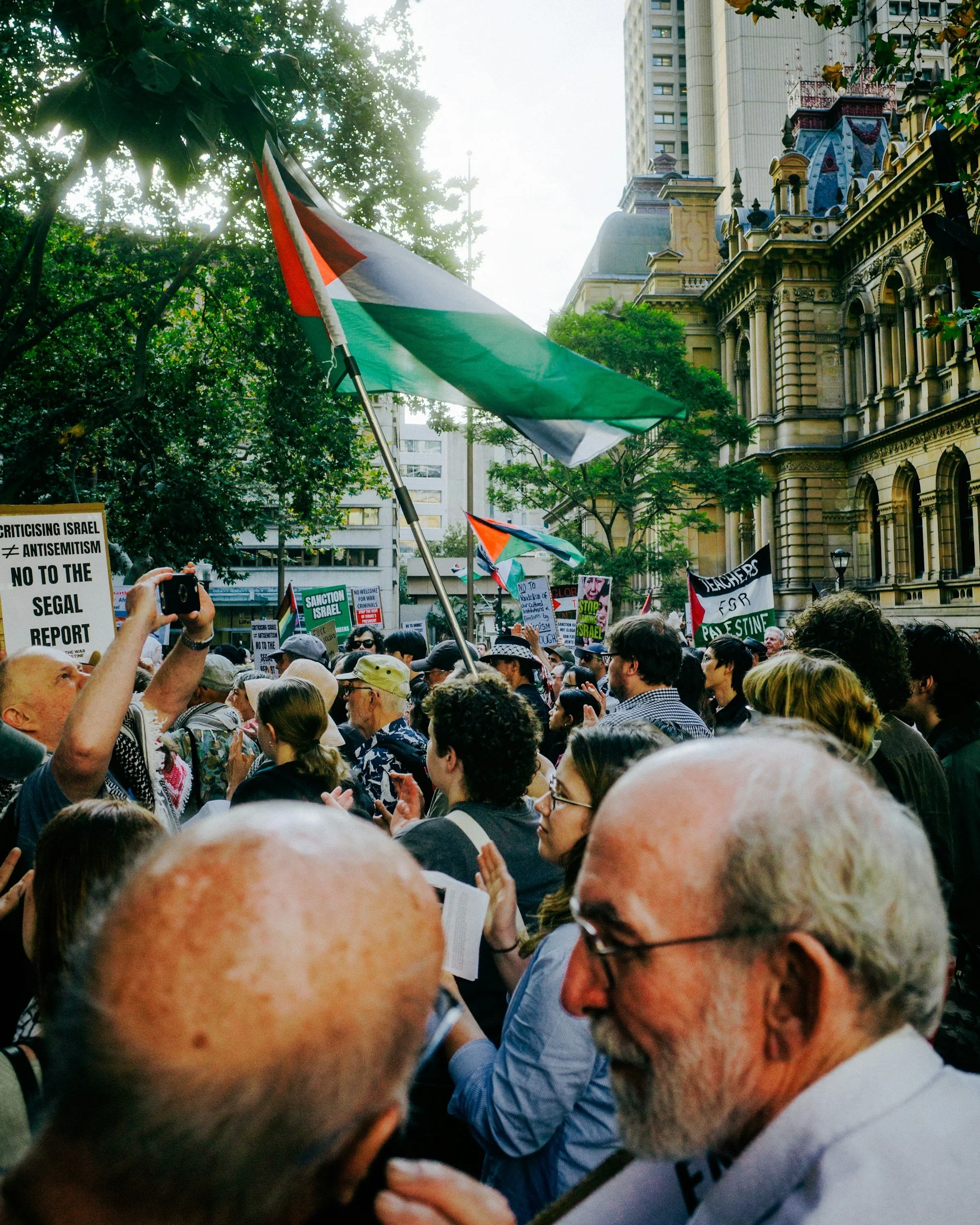
The antisemitism I encounter on the left and the refusal to acknowledge Jewish humanity are astonishing. Every time I try to speak about antisemitism or point out how some left‑wing rhetoric has absorbed literal Nazi talking points about Jews, I am met with the same refrain: “anti‑Zionism isn’t antisemitism.”
Nefesh Pueblo Campaign — A Homecoming for Justice and Belonging
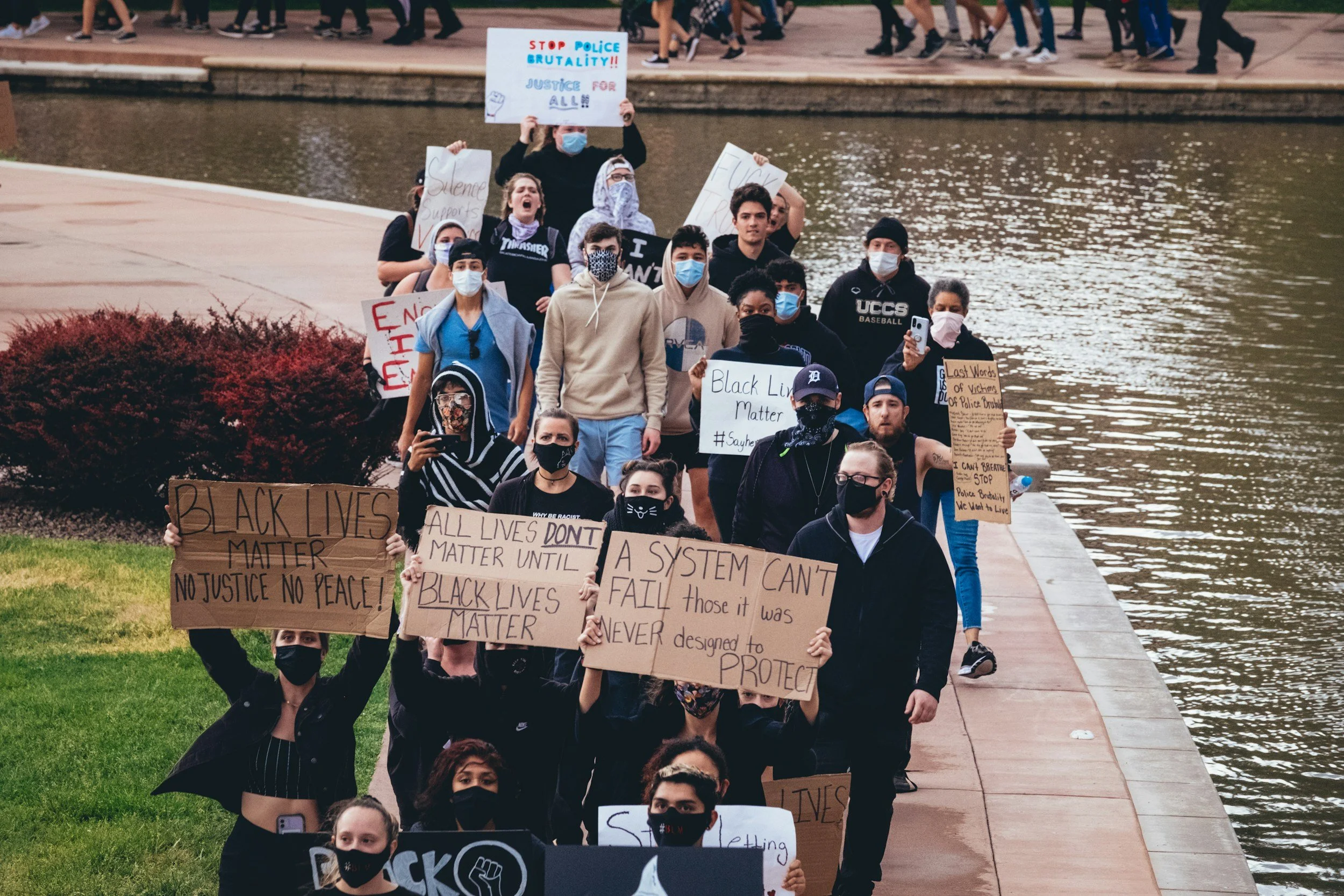
This campaign is a homecoming. It is an invitation to heal old wounds personal and communal and to build what Pueblo has needed for a long time: a movement rooted in compassion, solidarity, and collective liberation.

Pueblo, Colorado: Challenges and Solutions for a Resilient Future
This report provides a comprehensive analysis of Pueblo’s current challenges and explores actionable solutions. Drawing on recent data, policy documents, and best practices from comparable cities, the report addresses:

The Quad Cities Doesn’t Have a Homelessness Crisis It Has a Compassion Crisis
Homelessness in the Quad Cities has reached a breaking point. The emergency is not simply the number of unhoused people; it is the persistent refusal of local leaders and institutions to treat those people as neighbors deserving of dignity, safety, and a real chance to rebuild. When policy treats human beings as problems to be moved along, the moral and practical costs are paid by everyone.

Moving Forward After Experiencing Religious Extremism: Reclaiming Faith, Community, and Humanity
For many people around the world, religion is a source of comfort, identity, and meaning. But for others, religion becomes a site of trauma especially when it is twisted into extremism. Whether someone has survived the violence of extremist groups in the Middle East, the pressures of Jewish ethno‑nationalism, or the suffocating culture of Christian nationalism in the United States, the impact can be profound. Religious extremism does not simply harm the body; it reshapes the mind, fractures trust, and leaves deep emotional scars.
The Rot at the Top: How Elite Power and Evangelical Silence Enable Abuse
For years, many people in this country have sensed that something is deeply wrong at the highest levels of power in our government, in our corporations, and in the institutions that claim moral authority. The release of the Epstein documents only confirmed what survivors and advocates have been saying for decades: powerful individuals have been able to exploit, harm, rape, cannibalize and traffic children with near-total impunity.

The Corruption of Evangelical Power in the Quad Cities: A Call to Return to Justice
The Hebrew prophets warned against this kind of religious hypocrisy. Isaiah declared, “Learn to do good; seek justice, rescue the oppressed, defend the orphan, plead for the widow” (Isaiah 1:17). Jesus himself taught that the true measure of faith is found not in performance, but in compassion: “Whatever you did for the least of these, you did for me” (Matthew 25:40).

Why You Should Consider Joining Nefesh
Across the political landscape, countless organizations compete for attention socialist groups like PLS, DSA, and CPUSA, and libertarian groups such as YAL or the Libertarian Party. Many of them invest enormous energy into doctrine, rhetoric, and ideological purity. They debate theory, refine dogma, and argue endlessly about the “correct” line.

A New Coalition for Liberty: Why the Libertarian Left and Libertarian Right Must Unite
America’s political imagination has been trapped in a tired binary for generations: left versus right, blue versus red, progressive versus conservative. This framing has become so dominant that many people cannot imagine alliances that cross these lines. But what if the real divide is not left versus right at all? What if the true fault line is authoritarianism versus liberty?