The American Empire Is Not Collapsing — It Is Emerging
The American Empire Is Not Collapsing — It Is Emerging
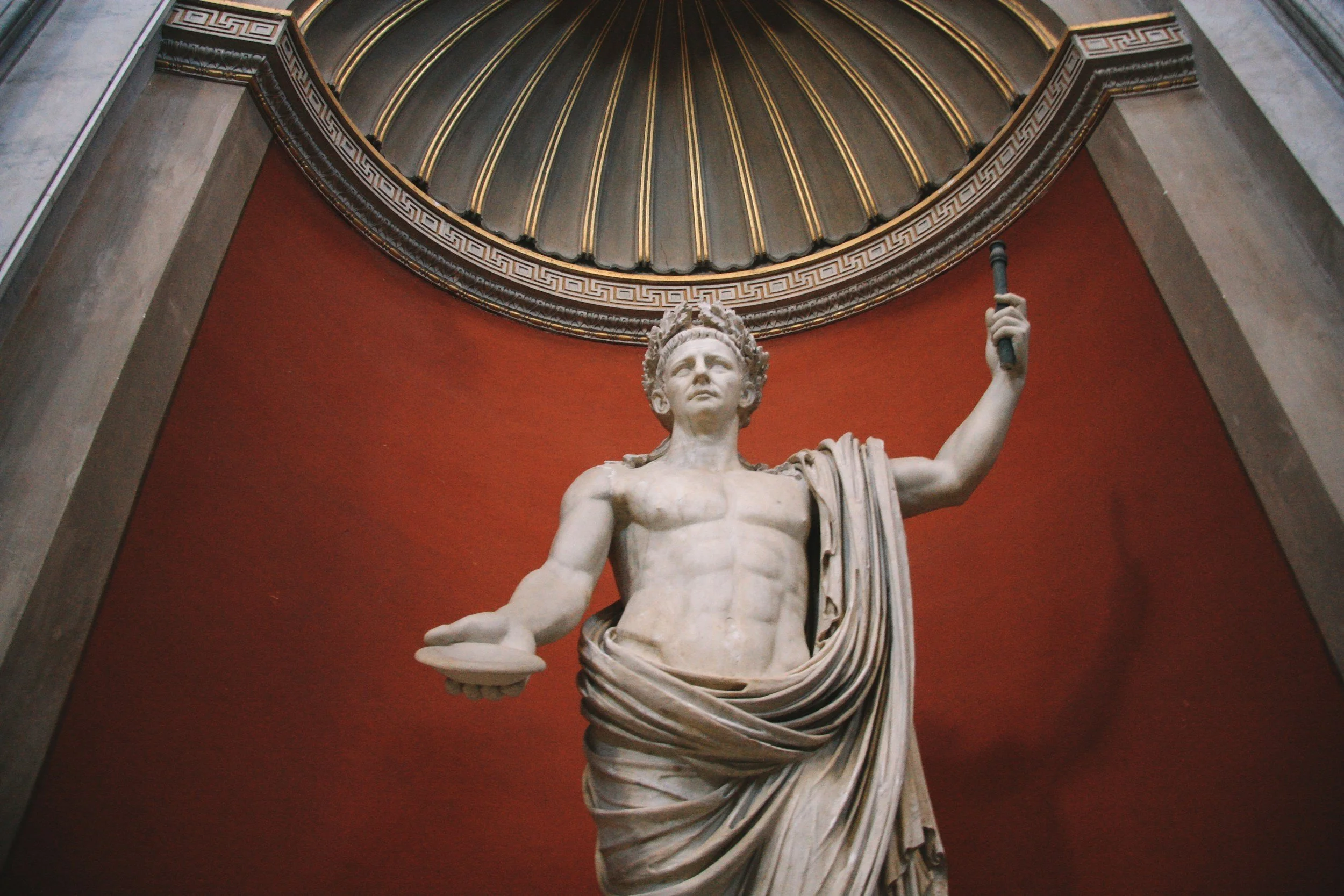
Many people today compare the United States to the Roman Empire in its final days, imagining a nation on the brink of collapse. But this comparison misunderstands both history and the present moment. The United States is not mirroring the fall of Rome it is echoing the rise of Roman imperial power. What we are witnessing is not the end of an empire, but the beginning of one.
A Republic in Crisis, Not an Empire in Decline
The United States has long presented itself as a republic, and in many ways its political structure resembles the late Roman Republic more than the Roman Empire. Both systems were marked by:
Corruption among elites
A weakening currency and economic instability
Intense internal conflict
Mass unrest triggered by government failures
Dependence on a lower, exploited labor class
Just as Rome relied on enslaved people and conquered populations to sustain its economy, the United States has relied heavily on immigrant labor, underpaid workers, and historically enslaved peoples to maintain the comforts of modern liberal society. This economic foundation creates deep inequality and when inequality grows, so does the power of a new aristocracy.
The Rise of a Modern Aristocracy
In the late Roman Republic, wealthy families consolidated power around figures like Julius Caesar, arguing that only the educated, wealthy, and “fit” should govern. Today, a similar pattern is emerging. Billionaires and corporate elites increasingly shape political decisions, media narratives, and national priorities. Their vision resembles a technocratic empire a “technate” where power is concentrated in the hands of those who control technology, capital, and information.
This new aristocracy is not interested in preserving old alliances or democratic norms. Instead, it is reorganizing society around spheres of influence, resource extraction, and geopolitical dominance. The parallels to Rome’s expansionist logic “grow or die” are striking.
Divide, Distract, and Consolidate
Rome’s transition from republic to empire was marked by internal division. Ethnic groups, classes, and regions were pitted against one another, creating chaos that elites then used to justify authoritarian control. The United States is experiencing a similar fragmentation:
Racial and ethnic groups are turned against each other
Political factions are encouraged to see one another as enemies
Economic anxiety is redirected into cultural conflict
Fear becomes a tool of governance
This is not accidental. When wealth becomes concentrated in the hands of a few, division becomes a political strategy. A divided population cannot challenge the consolidation of power at the top.
The Cycle of Liberalism and Reaction
Historically, when republics enter crisis, a predictable cycle unfolds:
Liberal institutions weaken, unable to address inequality
The left is marginalized, co‑opted, or suppressed
The public becomes apathetic, exhausted by dysfunction
Reactionary forces rise, offering order through exclusion
Authoritarianism consolidates, often with popular support
An empire emerges, built on the ruins of democratic ideals
This pattern played out in Rome, in Weimar Germany, in multiple colonial transitions and many argue it is unfolding again in the United States.
A Different Path: Imagining a New Future
Political theorists across history have argued that cycles of empire and collapse are not inevitable. Some propose that the only way to break the pattern is through a radically different form of governance, one rooted in collective power, economic democracy, and shared ownership.
In this theoretical framework, a society becomes free not when one elite replaces another, but when ordinary people build systems that serve the common good. This vision is often described as a libertarian socialist or libertarian communist democracy a model where:
Power is decentralized
Communities govern themselves
Resources are shared equitably
Decisions are made collectively
No ruling class exists above the people
This is not a prediction or a call to action, but a political theory about how societies might break free from the historical cycle of republic → crisis → empire → collapse.
The Choice Ahead
The United States is not collapsing it is transforming. Whether that transformation leads to a hardened empire or to a new, more democratic form of society depends on how people respond to inequality, division, and concentrated power.
History does not repeat itself, but it often rhymes. Understanding those rhymes gives us the ability to imagine alternatives and to choose a future that breaks the cycle rather than repeating it.
