When Solidarity Erases Us: Antisemitism on the Left
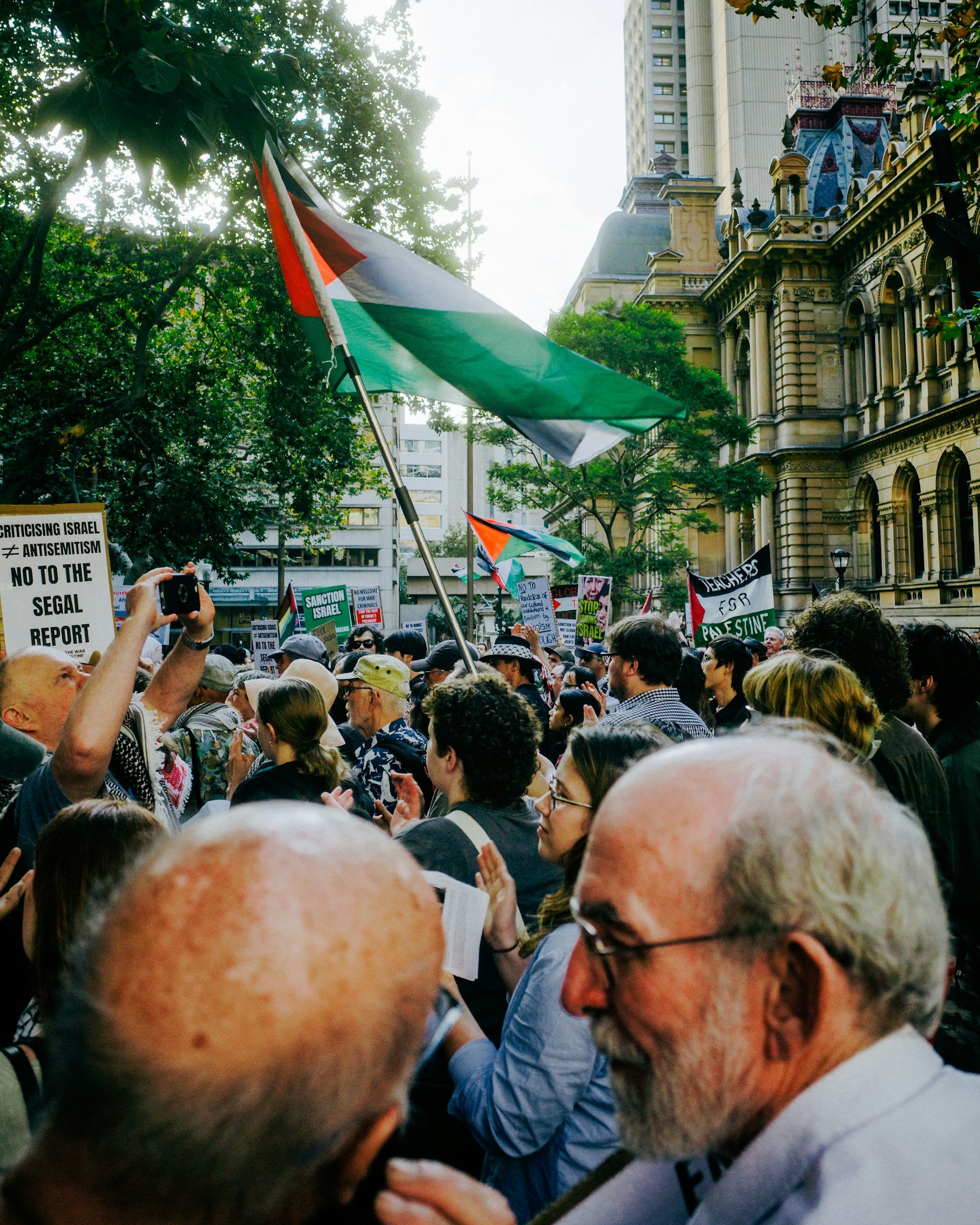
The antisemitism I encounter on the left and the refusal to acknowledge Jewish humanity are astonishing. Every time I try to speak about antisemitism or point out how some left‑wing rhetoric has absorbed literal Nazi talking points about Jews, I am met with the same refrain: “anti‑Zionism isn’t antisemitism.” That response is often offered as if it settles the matter, as if my concerns are delusions or, worse, the fault of Zionism itself. But Zionism is a political movement one faction among many no more representative of all Jewish people than any ruling party represents an entire nation. Conflating Jewish identity with a single political ideology erases the diversity of Jewish thought and experience.
This conflation dehumanizes Jews in a peculiar, two‑faced way. On the right, Jews are cast as a parasitical, non‑white threat bent on destroying Western civilization; on the left, Jews are reduced to the embodiment of Western power and accused of colonizing Palestine. Both caricatures deny the complexity of real lives. In truth, many Jews are at the forefront of protests for Palestinian rights and are vocal critics of Zionism. Yet those voices are often ignored or dismissed because they complicate the neat oppressor‑oppressed narrative some progressives prefer.
There is a strange double standard at work. White leftists frequently see themselves as individuals, separate from their whiteness and exempt from accountability for in‑group identity, while treating Jews as a monolithic collective responsible for the actions of states or elites. I have introduced myself as mixed Black, Indigenous, and European American and that identity stands until I mention I am Jewish. Suddenly my transness, my ethnicity, my whole personhood seems to vanish; I am recast as “just Jewish,” as if I were a different species. That erasure is painful and isolating.
When I organize against Islamophobia, when I join events centered on Palestine, when I raise money for humanitarian causes, the same people who demand my solidarity are often nowhere to be found. Yet they are quick to accuse me of failing to support others, to deny that I face bigotry, or to insist I apologize for the harms I did not commit. They insist I focus solely on Zionism as the ultimate threat, as if that explains every injustice. The truth is that Zionism does not run global capitalism or imperialism any more than white supremacy, Christian nationalism, or Russian expansionism do. These systems are driven by profit and power; they thrive on division and conflict because that keeps resources and influence concentrated in elite hands.
In some cases, the Zionist project has been used to destabilize regions for resource extraction and geopolitical advantage, and in other cases elites have scapegoated Jews to deflect criticism of their own abuses. But blaming Jewish people as a whole for these structures is both inaccurate and dangerous. It turns Jews into a convenient sacrifice for ruling interests and strips us of moral agency and protection.
If progressive movements are serious about justice, they must be able to hold multiple truths at once: it is possible to critique state policies and imperial projects while also recognizing and combating antisemitism. Moral clarity demands that we refuse simplistic binaries that erase people for the sake of ideological purity. Solidarity must be practiced, not proclaimed; it must include showing up for Jewish communities facing harassment and listening to the full range of Jewish voices, including those who oppose Zionism. Only by acknowledging complexity and rejecting monolithic thinking can movements committed to liberation build durable, honest coalitions that protect everyone’s dignity.
