Nefesh Pueblo Campaign — A Homecoming for Justice and Belonging
Nefesh Pueblo Campaign — A Homecoming for Justice and Belonging
Pueblo is more than a dot on a map for me. It is the place where I grew up, the soil that shaped me, and the community where my heart still lives. Before my transition, many people knew me as Christopher Friend. Returning now as Alexandria is not only a personal journey; it is an act of reclamation, healing, and responsibility. Pueblo taught me what community could be and also how fragile safety can feel for LGBTQIA+ people.
When I was questioning my identity, Pueblo was not a safe place to explore who I was becoming. The hostility, the fear, and the lack of affirming spaces pushed me away. I found it easier and far safer to come out in Juárez, Mexico, where the drag‑friendly border culture between Juárez and El Paso offered room to breathe, experiment, and exist without constant threat. That contrast has stayed with me. It taught me that safety is not inevitable; it is built, defended, and sustained by people who choose to care.
I also know my history with some Pueblo activists is complicated. There were misunderstandings, conflicts, and moments where bridges burned instead of being built. This campaign is not about pretending those fractures never happened it is about repairing them. It is about showing up with humility, accountability, and a genuine desire to rebuild trust for the sake of something larger than any one person: the future of Pueblo’s communities.
Why Pueblo Needs Nefesh Now
A close look at Pueblo reveals overlapping crises: rising crime in some neighborhoods, persistent discrimination against marginalized groups (including LGBTQIA+ residents), economic decline tied to the loss of industrial jobs, and long‑standing patterns of underinvestment that fall along geographic and racial lines. Pueblo is rich in culture and history, but structural neglect and geographic racism have limited growth and opportunity for many residents.
This is precisely the environment where a movement like Nefesh can make a difference. Nefesh is not a conventional political organization. We are a community‑building movement rooted in solidarity, mutual aid, anti‑racism, anti‑Zionism, and spiritual grounding. Our work centers on building people up materially, emotionally, and collectively so they can build their communities in return. Pueblo deserves a movement that centers dignity, accountability, and long‑term investment.
Goals for the Pueblo Campaign
1. Establish a Nefesh Pueblo chapter
Create a permanent, community‑run hub that organizes local activism, builds mutual‑aid networks, hosts community meals and healing circles, and offers a home for people who feel politically homeless or spiritually disconnected.
2. Build activist circles and leadership cohorts
Train and empower local leaders especially young people, queer residents, Indigenous community members, and working‑class families to organize, advocate, and build long‑term power.
3. Create LGBTQIA+ support networks
Develop affirming spaces, peer‑support groups, trans‑safety networks, and community‑run crisis support, led by local LGBTQIA+ residents.
4. Reconnect with the Jewish and interfaith communities
Draw on Jewish, Indigenous, and communitarian traditions to build spiritual spaces, host learning circles, explore anti‑Zionist Jewish identity, and create interfaith bridges rooted in justice rather than dogma.
5. Fight racism, poverty, and structural inequality
Address geographic racism and uneven development by supporting wealth‑building programs, connecting residents to higher‑paying jobs, and advocating for equitable investment across the city.
6. Use national connections to create economic pathways
Leverage relationships with labor‑friendly employers and industries including partners in the Alaskan fishing sector and other networks to bring real job opportunities to Pueblo, especially for people rebuilding after incarceration, homelessness, or discrimination.
7. Expand mutual aid across Pueblo
Scale food distribution, emergency housing support, transportation assistance, and community defense networks that protect people without relying on punitive systems.
8. Organize public actions and civic debate
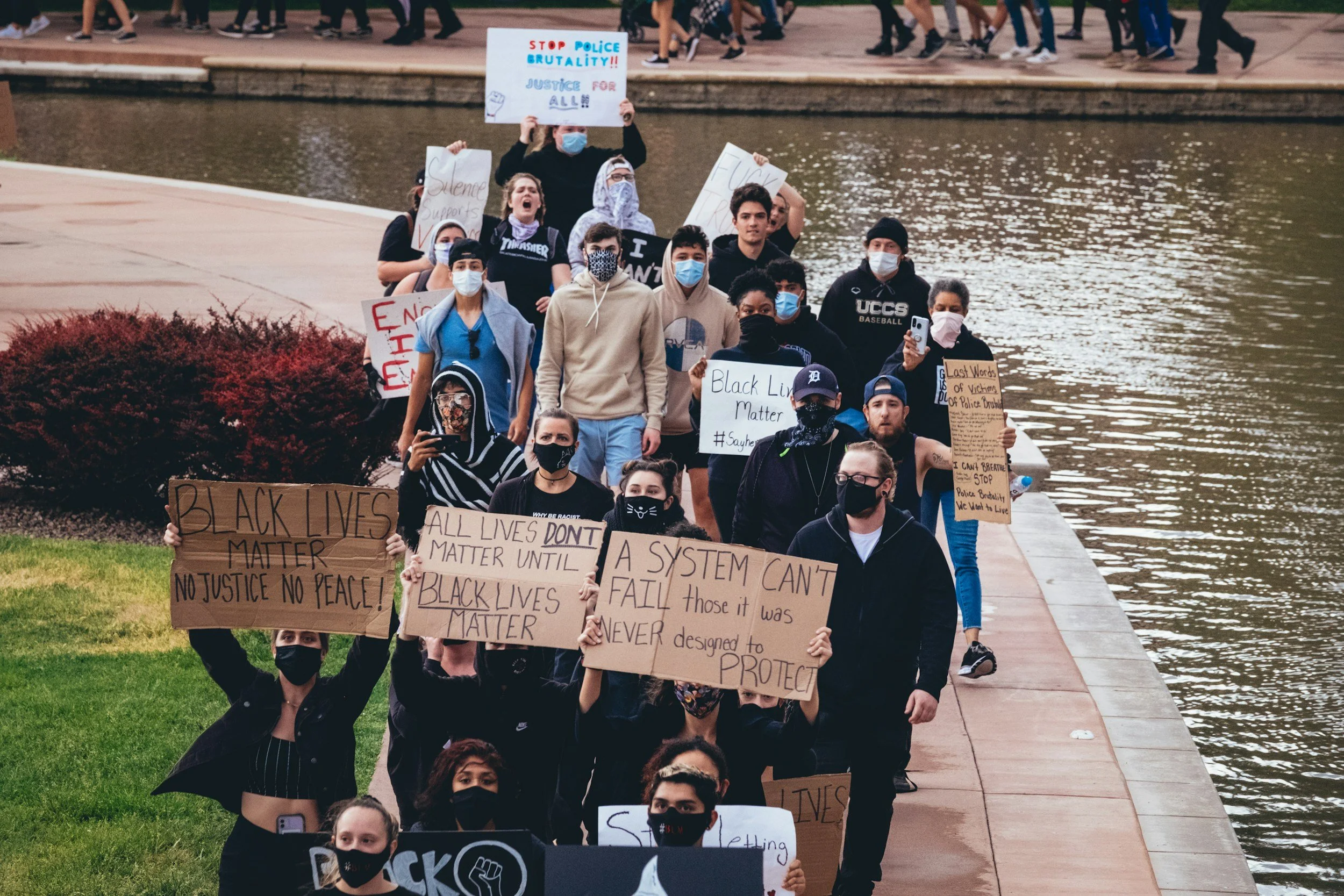
Stage protests, rallies, and public debates that challenge corruption, confront discrimination, demand accountability, and bring people together across differences.
9. Build bridges with religious communities
Engage churches and faith groups that are open to dialogue, correct misinformation, and form interfaith partnerships that uplift the whole community.
10. Connect Pueblo and the Quad Cities
Foster shared online communities, cultural exchanges, joint activism, and friendships between organizers in both regions two working‑class, diverse, historically industrial communities learning from one another.
Strategy: How We’ll Move From Vision to Impact
Center lived experience. People with lived experience of poverty, homelessness, incarceration, and discrimination must lead program design and outreach. Leadership cohorts will prioritize those voices.
Start small, scale fast. Launch pilot projects a weekly drop‑in space, a mutual‑aid pantry, a trans‑safety hotline then document outcomes and scale what works.
Build economic pipelines. Create apprenticeship and placement programs tied to real employers. Use risk‑mitigation funds and landlord incentives to reduce housing barriers for people with records.
Invest in dignity. Fund public restrooms, secure storage for belongings, and hygiene facilities. These low‑cost investments reduce health risks and restore daily dignity.
Push policy while building community. Advocate for eviction prevention, Housing First funding, and coordinated entry systems while simultaneously growing mutual aid and community accountability structures.
Repair relationships. Host listening sessions, restorative circles, and joint projects with local activists and faith leaders to rebuild trust and create shared agendas.
Measure and publish results. Track shelter capacity, housing placements, job placements, and community‑run program outcomes. Transparency builds credibility and pressure for systemic change.
A Call to Pueblo
This campaign is a homecoming. It is an invitation to heal old wounds personal and communal and to build what Pueblo has needed for a long time: a movement rooted in compassion, solidarity, and collective liberation.
If you are in Pueblo or care about its future, here are concrete ways to get involved:
Join or help start a local Nefesh circle. Bring your skills, your time, or your lived experience.
Volunteer or donate to mutual‑aid projects, drop‑in centers, and trans‑safety initiatives. Small, steady gifts keep programs running.
Show up for public actions that demand accountability and protect vulnerable neighbors.
Engage your faith community in dialogue and partnership. Many congregations are ready to move from silence to solidarity.
Support economic pathways by connecting employers, training programs, and residents in need of stable work.
This is more than expansion. It is a chance to return with purpose, clarity, and a vision big enough to change Pueblo’s future. We will not erase the past, but we can learn from it, repair what was broken, and build something stronger together.
