Trans Rights Are Everyone’s Rights
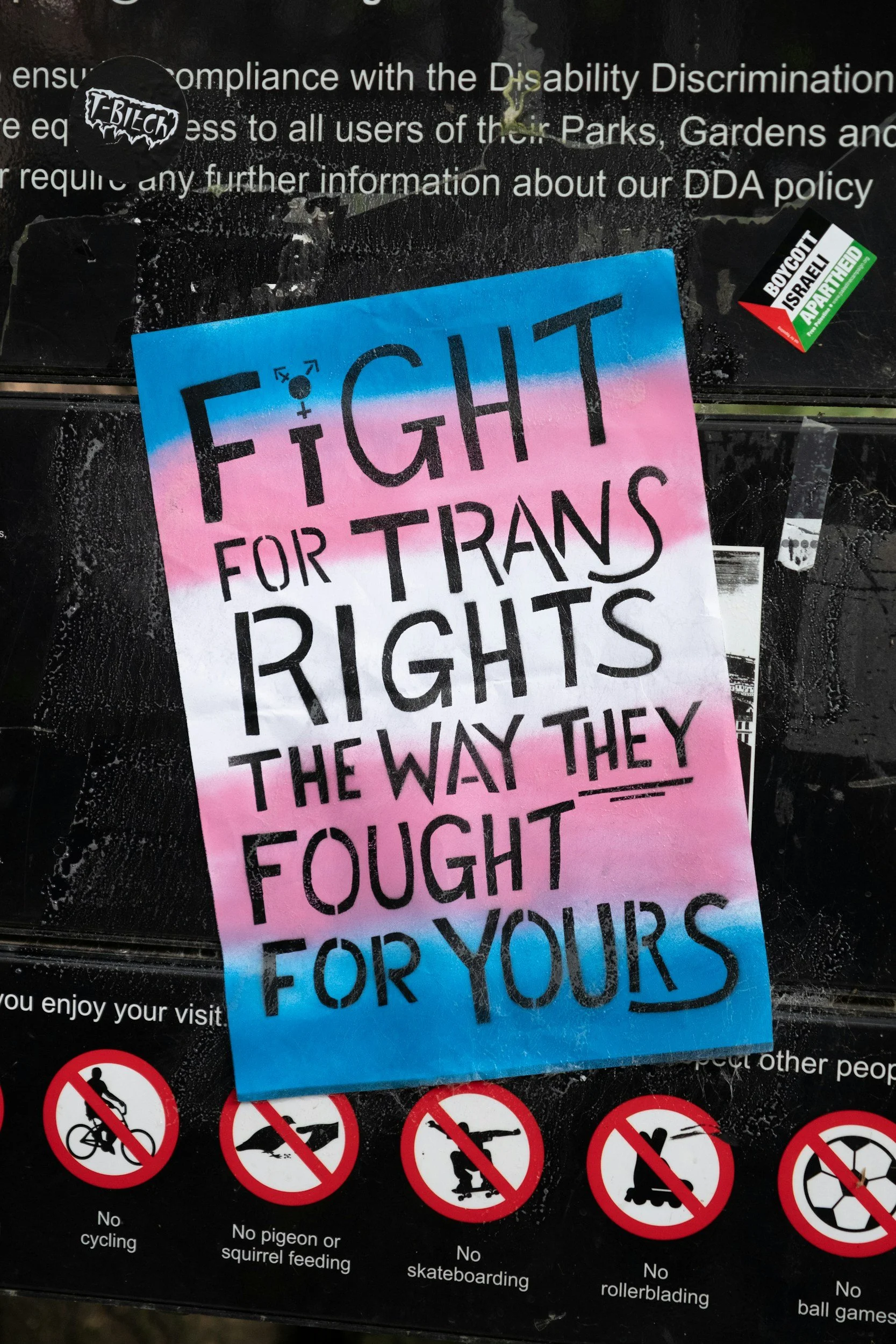
Trans Rights Are Everyone’s Rights
The struggle for trans rights is not a niche issue it is a universal struggle for human dignity, equality, and freedom. When we examine the rights demanded by trans communities, we see that they are the same rights that benefit everyone: the right to bodily autonomy, to family, to healthcare, to self‑expression, and to live free from discrimination. To argue for trans rights is to argue for a society that values all people equally.
The Right to Reproduction and Abortion
Reproductive rights are central to human freedom. For trans people, the right to reproduction intersects with the broader fight for abortion access and reproductive justice. Both are about bodily autonomy, the ability to decide whether, when, and how to have children. Denying trans people access to reproductive technologies or denying women abortion care are two sides of the same coin: systems that attempt to control bodies rather than empower them. Protecting reproductive rights ensures that everyone, regardless of gender identity, can make choices about their future.
The Right to Sperm Banks and Egg Banks
Access to sperm banks and egg banks is not just a medical issue, it is a matter of equality. For trans people, these services are often essential to preserving fertility before medical transition. But they also benefit cisgender individuals facing infertility, same‑sex couples, and single parents. By defending trans access to reproductive technologies, we defend the principle that all families deserve the chance to grow, regardless of biology or circumstance.
Dysphoria and Insurance Inequality
One of the most pressing issues in trans healthcare is the refusal of insurance companies to cover gender‑affirming surgeries, dismissing them as “cosmetic.” Yet even cisgender people face similar denials when seeking procedures that improve mental health or quality of life, such as breast reductions or facial surgeries. This reveals a broader injustice: the medical system often fails to recognize the psychological and social importance of bodily integrity. Fighting for trans healthcare coverage is fighting for a system that values mental health and holistic well‑being for everyone.
Masculinization of Ethnic or Butch Features
Trans rights also expose the biases embedded in beauty standards. Ethnic features such as broader noses, thicker hair, or stronger jawlines are often unfairly masculinized, stigmatizing both trans women and cis women of color. Similarly, butch women face discrimination for not conforming to narrow ideals of femininity. By challenging these biases, trans activism highlights the need to dismantle racialized and gendered stereotypes that harm all women.
Unnecessary Beauty Standards Forced on Women
The policing of women’s bodies is a universal issue. Trans women are often scrutinized for not meeting hyper‑feminized standards, while cis women are pressured to conform to unrealistic ideals of thinness, youth, and beauty. These standards are not natural they are imposed by industries and cultures that profit from insecurity. Trans rights advocacy, by demanding recognition of diverse bodies and identities, helps liberate all women from oppressive expectations.
Toxic Masculinity Forced on Men and Boys
Trans rights also challenge toxic masculinity the rigid norms that demand men suppress emotion, dominate others, and reject vulnerability. These expectations harm cis men and boys just as much as they harm trans men, who often face pressure to “prove” masculinity. By dismantling toxic masculinity, trans activism opens space for healthier, more compassionate models of manhood that benefit everyone.
Workplace and Housing Discrimination
Discrimination in employment and housing disproportionately affects trans people, but it is part of a larger pattern of systemic inequality. Cisgender women, people of color, immigrants, and disabled individuals also face barriers to fair work and safe housing. Protecting trans people from discrimination strengthens protections for all marginalized groups, creating workplaces and communities that value diversity and fairness.
The Right to Hormones as Medicine
Hormones are often framed as uniquely “trans” medicine, but they are widely used in other contexts: birth control, menopause treatment, and hormone therapy for cis men with low testosterone. Denying trans people access to hormones is not only discriminatory it undermines the principle that medicine should serve the needs of all patients. Recognizing hormones as legitimate healthcare affirms that everyone deserves treatment tailored to their bodies and identities.
The Right to Fashion and Self‑Expression
Fashion and self‑expression are often trivialized, but they are central to identity. For trans people, clothing can be a lifeline a way to affirm gender and resist dysphoria. But the right to self‑expression benefits everyone: cis women who reject restrictive dress codes, cis men who embrace styles outside traditional masculinity, and nonbinary people who mix and match. Defending trans fashion rights is defending the universal right to present oneself authentically.
Conclusion: Liberation for All
When we say trans rights are everyone’s rights, we mean that the freedoms trans people demand bodily autonomy, healthcare, family, dignity, and self‑expression are the same freedoms that make life worth living for all people. Trans activism exposes the cracks in systems that harm everyone, from beauty standards to workplace discrimination, from reproductive injustice to toxic masculinity.
To fight for trans rights is to fight for a world where no one is denied healthcare, no one is punished for their body, and no one is excluded from family, community, or tradition. It is to fight for a society where equality is not conditional, but universal.
Trans liberation is human liberation. By defending the rights of the most marginalized, we defend the rights of us all.
