The Quad Cities Doesn’t Have a Homelessness Crisis It Has a Compassion Crisis
The Quad Cities Doesn’t Have a Homelessness Crisis It Has a Compassion Crisis
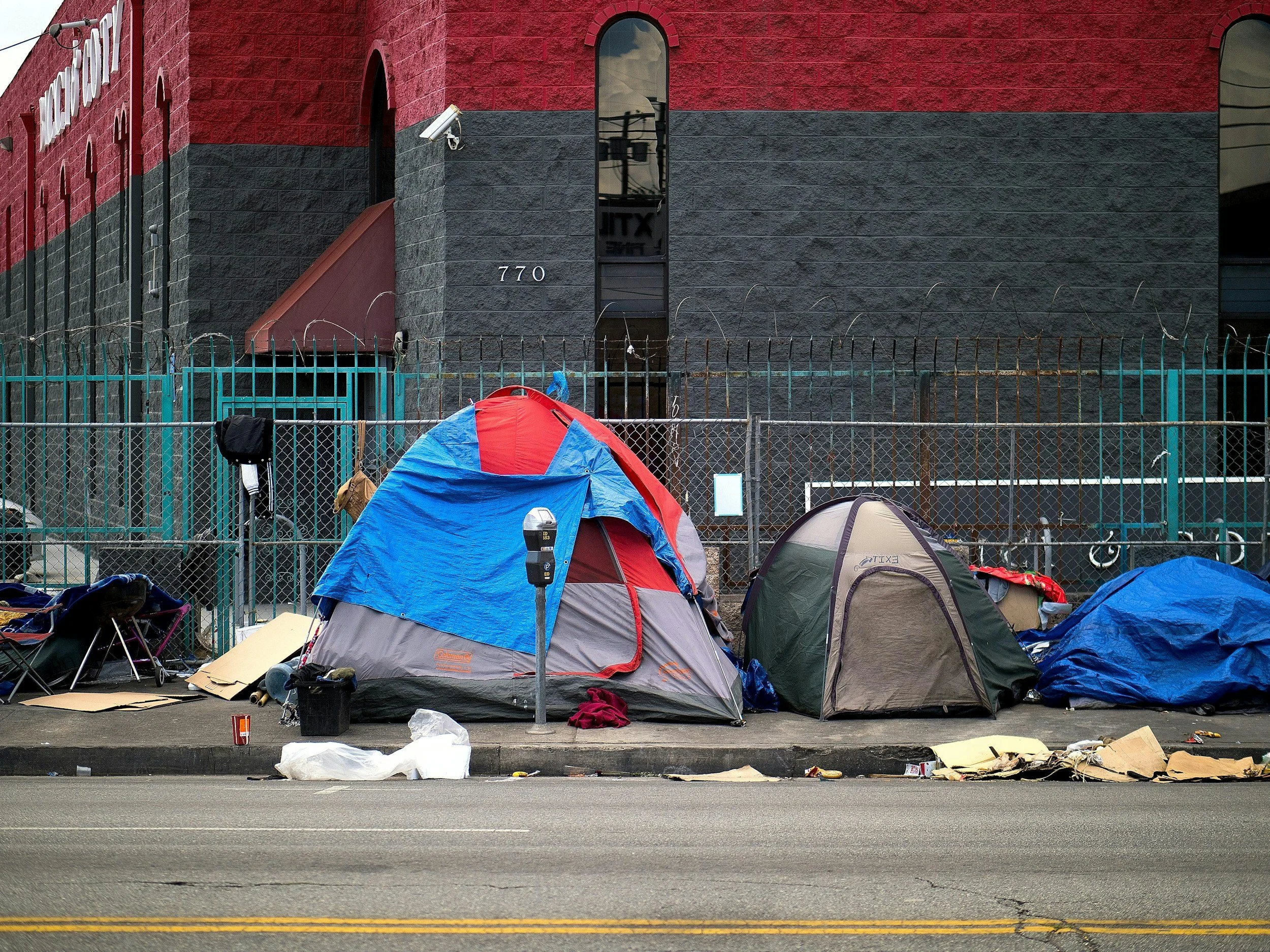
Homelessness in the Quad Cities has reached a breaking point. The emergency is not simply the number of unhoused people; it is the persistent refusal of local leaders and institutions to treat those people as neighbors deserving of dignity, safety, and a real chance to rebuild. When policy treats human beings as problems to be moved along, the moral and practical costs are paid by everyone.
For too long, city councils and mayors have leaned on a familiar script: homelessness is the result of addiction, bad choices, or individual failure. That framing is not only wrong it is politically convenient. It shifts responsibility away from the systems that produce housing instability and onto the people who suffer it, making short‑term enforcement and PR theater look like action. The data show rising need across the region and the nation: shelters are filling, unsheltered counts are up, and local providers are stretched thin.
The reality is structural. Rising rents, a shortage of affordable units, stagnant wages, criminal‑record barriers, and gaps in mental‑health and addiction care create predictable pathways into homelessness. Substance use, when present, is often a coping mechanism for trauma and instability, not the root cause. Treating it as the cause lets policymakers dodge the harder work of fixing housing markets, expanding services, and changing laws that punish poverty.
Why current responses fail
Punitive enforcement — fines, sweeps, and criminalization displace people without solving housing shortages and often make re‑housing harder by adding fees and records that block access to rentals.
Short‑term shelters and temporary beds are essential, but without pathways to stable housing they become revolving doors. Local emergency shelters are at capacity during cold months and temporary winter shelters are being stood up to meet surges.
Underfunded services leave people without the mental‑health care, addiction treatment, or employment supports they need to stabilize.
Economic leakage — when local dollars leave the community instead of circulating starves municipal budgets of the revenue that could fund long‑term solutions.
Local providers like Project NOW, Humility Homes & Services, and emerging community spaces such as The Third Place QC are already doing the hard, day‑to‑day work: operating shelters, running drop‑in centers, coordinating outreach, and piloting Housing First models. But they need sustained funding, volunteers, and political support to scale what works.
A humane, practical path forward
The Quad Cities can end chronic homelessness if it chooses to. The solutions are proven, practical, and politically achievable when leaders prioritize people over optics.
Invest in affordable, low‑barrier housing
Prioritize Housing First models that place people into permanent housing without preconditions, paired with voluntary supports. Use zoning reform, targeted subsidies, and public land to accelerate development of deeply affordable units.
Prevent eviction and stabilize households
Fund eviction prevention programs, emergency rental assistance, and legal aid so people don’t fall into homelessness in the first place. Incentivize landlords to accept tenants with past evictions or records through risk mitigation funds and guaranteed‑rent programs.
Expand accessible social services
Scale mobile outreach, drop‑in centers, mental‑health teams, and addiction treatment that meet people where they are. Ensure services are trauma‑informed and culturally competent, and remove barriers like sobriety requirements that exclude people in crisis.
Provide basic dignity: restrooms, storage, and hygiene
Public restrooms, secure storage for belongings, and hygiene facilities reduce health risks and the daily indignities that compound trauma. These are low‑cost, high‑impact investments that protect public health and human dignity.
Stop criminalizing poverty
End ordinances that punish sleeping, loitering, or public behavior tied to homelessness. Replace fines and arrests with diversion programs, case management, and housing referrals so people are helped rather than penalized.
Build local wealth to fund solutions
Grow and keep wealth here: support small businesses, expand local production, and explore municipal enterprises that generate revenue while meeting community needs. Public‑private partnerships can direct new revenue toward housing and services without overburdening residents.
Create coordinated systems and accountability
Use a regional coordinated‑entry system so resources reach the people with the highest needs quickly. Publish transparent metrics on shelter capacity, housing placements, and service outcomes so the public can see progress and hold leaders accountable.
Voices from the community
People with lived experience must lead solutions. Royce Wright, who has experienced homelessness and now works in human services, put it plainly:
“I know what it feels like to have nowhere to go — to move through life without safety or comfort. I see people sleeping outside in the cold, and it’s impossible for me to ignore.”
Royce’s organizing and fundraising are examples of leadership rising from within our neighborhoods leadership that deserves partnership, not dismissal. His GoFundMe and community efforts aim to secure a building to serve individuals experiencing homelessness and at‑risk youth. Supporting those grassroots efforts multiplies impact because they are rooted in trust and local knowledge. https://gofund.me/534db841a
A direct ask to the Quad Cities
If our leaders will not act, the community must. Here’s how you can help today:
Donate to trusted local organizations that provide shelter, housing, and services: Project NOW, Humility Homes & Services, The Third Place QC, One Eighty, and other local nonprofits working on prevention and re‑housing. Your gift pays for shelter operations, case management, hygiene supplies, and housing subsidies.
Give time and items: volunteer at drop‑in centers, donate hygiene kits, warm clothing, or gift cards. Shelters and drop‑in centers often publish urgent needs lists when winter shelters open.
Support policy change: contact your city council members and state legislators to back Housing First funding, eviction prevention, and coordinated entry systems. Public pressure moves budgets and priorities.
Why donate now
Short‑term gifts keep people safe tonight; sustained support builds the housing and services that end homelessness. Local nonprofits are already stretching every dollar to meet surges your donation is leverage: it keeps shelters open, funds case managers who place people into housing, and supports prevention programs that stop homelessness before it starts.
Sources and Further Reading
Local organizations and reporting
Project NOW Home — Project NOW services, programs, and donation information.
City of Moline & Project NOW Launch Emergency Winter Shelter — City announcement about the Lift Now shelter partnership.
OurQuadCities coverage of Project NOW shelter — Local reporting on the temporary shelter opening.
WQAD report on Project NOW shelter first night — Details on shelter capacity and donation needs.
The Third Place QC — Mission, services, and how to help the new drop‑in center.
WQAD coverage of The Third Place QC startup grant — Local reporting on funding and launch plans.
Humility Homes & Services — Programs, shelter operations, and volunteer opportunities.
Data and policy context
Quad Cities reporting on shelter capacity and trends — Local data showing increases in homelessness.
Home Illinois Plan to Prevent and End Homelessness — State plan and analysis of PIT count data.
National Alliance to End Homelessness Data Dashboards — National trends and interactive charts.
US Interagency Council on Homelessness Data and Trends — Federal context on drivers of homelessness.
Community fundraising
Royce Wright GoFundMe Creating Safe Spaces for Homeless and At‑Risk Youth — Community fundraiser led by a local leader with lived experience.
Final word
The Quad Cities has the organizations, the expertise, and the civic capacity to end homelessness. What it lacks in many places is political courage and sustained community investment. Ending this crisis will require elected officials to choose compassion over convenience, long‑term investment over short‑term optics, and people over punishment. If leaders will not act, the community must: build the housing, fund the services, stop criminalizing survival, and keep wealth local. Treat every person as a neighbor. That is how we move from crisis to care.
