QC Homeless crisis
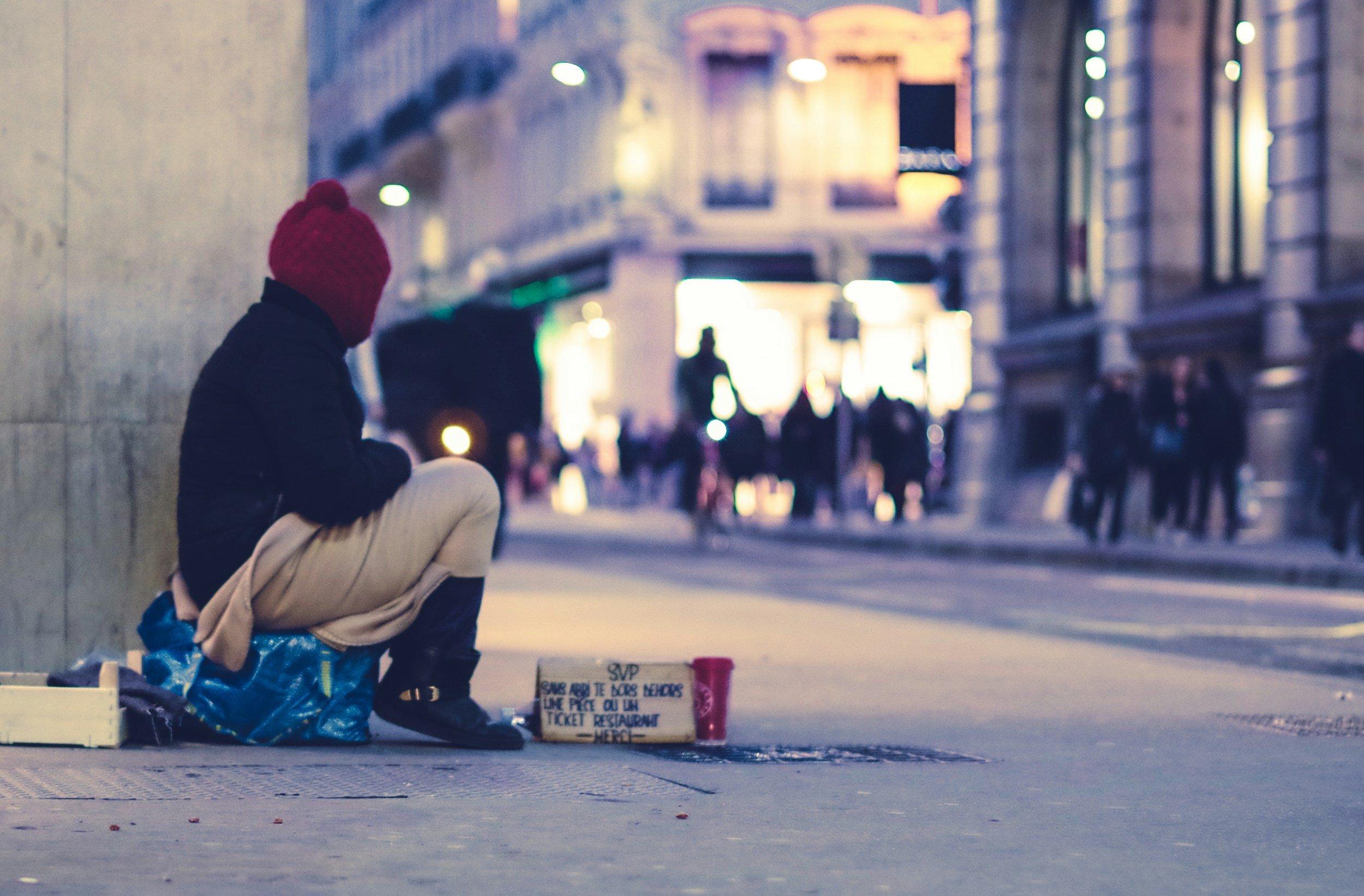
Homeless Crysis Quad Cities
Homelessness in the Quad Cities has reached a critical point, yet the true crisis is not the presence of unhoused individuals, it is the refusal of city councils, mayors, and those in positions of power to recognize them as human beings deserving of dignity, compassion, and support.
Too often, the narrative surrounding homelessness is reduced to harmful stereotypes: that people are unhoused because they are addicted to drugs or have made poor life choices. This framing not only dehumanizes those experiencing homelessness but also obscures the deeper truth. Homelessness is not simply the result of individual failings; it is the product of systemic poverty, lack of affordable housing, and economic inequality.
Substance use, when present, is frequently a coping mechanism, a way of escaping the harsh realities of living without stability, safety, or hope. To dismiss unhoused individuals as “problems” rather than people is to ignore the structural failures that perpetuate their suffering.
The Quad Cities cannot continue to turn a blind eye. Homelessness is not a moral failing; it is a societal failure. Addressing this crisis requires more than temporary fixes or punitive measures. It demands a shift in perspective: to see unhoused individuals as neighbors, as members of our community, and as human beings with inherent worth.
Real solutions must include:
Investment in affordable housing to provide stability and security.
Expanded social services that address mental health, addiction, and employment opportunities.
Policy changes that prioritize compassion over criminalization.
The path forward is clear. To confront homelessness in the Quad Cities, we must reject stigma, embrace empathy, and commit to systemic change. Only then can we build a community where every person is seen, valued, and given the chance to thrive.
How We Pay for It: Building Local Wealth to Solve Local Crises
Whenever bold proposals are raised—whether to address homelessness, poverty, or systemic inequality—the first question is always the same: “How would we pay for it?” The answer is simpler than many assume. We pay for it by building local wealth and ensuring that prosperity circulates within our own communities.
Expanding Local Production
The foundation of a strong economy is production. By expanding trade, building manufacturing infrastructure, and investing in local businesses, we increase the taxable base of the city. More production means more jobs, more wages, and more revenue flowing into the community.
Supporting Small Businesses
Economic strength is not only about large corporations; it depends on the velocity of income, the speed at which money moves through local hands. Supporting small businesses ensures that dollars spent in the Quad Cities stay in the Quad Cities. When local entrepreneurs thrive, they reinvest in the community, creating a cycle of growth that benefits everyone.
Municipal Enterprises
Cities do not have to rely solely on taxes. They can create municipally owned corporations, publicly owned businesses that provide goods and services while generating revenue. Imagine city-owned grocery stores, manufacturing plants, or service providers. These enterprises would not only meet community needs but also produce income streams that reduce reliance on taxation.
Public-Private Synergy
The most powerful model combines government and private institutions working side by side. When both sectors provide goods and services, the wealth generated can be directed toward solving pressing social issues. This includes funding housing initiatives, expanding social services, and ensuring that the homeless and poor are cared for with dignity.
Conclusion
Paying for solutions to homelessness and poverty is not about cutting corners or raising taxes alone. It is about restructuring the local economy to generate wealth from within. By expanding production, supporting small businesses, and creating municipally owned enterprises, the Quad Cities can build a powerhouse economy. That wealth, in turn, can be used to uplift the most vulnerable among us and create a community where prosperity is shared.
