Pueblo, Colorado: From Union Stronghold to Cultural Crossroads Under Siege
Pueblo, Colorado: From Union Stronghold to Cultural Crossroads Under Siege
Pueblo, Colorado was once a city defined by solidarity. Its steel mills and union halls gave birth to a working‑class culture that stood shoulder to shoulder against exploitation. Italians, Irish, and Jewish immigrants joined Indigenous families and Mexican laborers to build a community where diversity was not just tolerated but woven into the fabric of daily life. Pueblo was a place where the dignity of work was honored, where cultural traditions thrived side by side, and where collective bargaining gave ordinary people a measure of power in shaping their destiny.
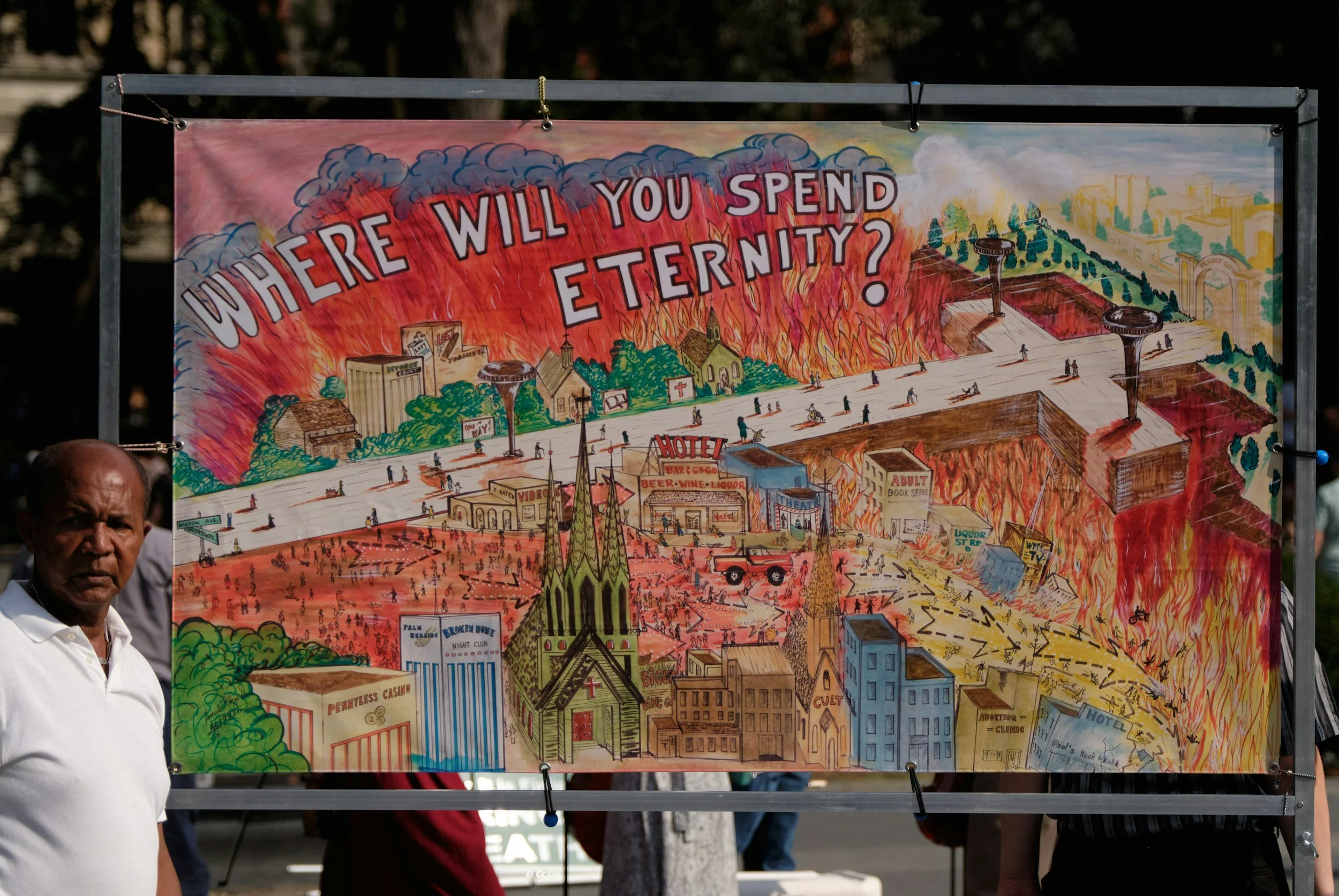
That legacy is now under assault. The rise of mega‑evangelical churches in Pueblo has transformed them from spiritual institutions into political machines. These churches exert influence far beyond the pulpit, policing neighborhoods, dictating morality, and spreading intolerance. Their reach is not confined to faith it extends into civic life, shaping elections, controlling narratives, and silencing dissent. What was once a city of pluralism and solidarity is now gasping for breath under the weight of corruption and authoritarian religious power.
The consequences are stark:
Erosion of diversity: Pueblo’s once‑thriving Jewish community has dwindled, Indigenous traditions are marginalized, and immigrant voices are muted.
Collapse of labor solidarity: Unions that gave Pueblo its backbone have weakened, leaving workers vulnerable to exploitation and stripping away the collective voice that once defined the city.
Spread of intolerance: LGBTQ+ residents, progressive activists, and cultural minorities face organized campaigns of stigma and exclusion, often couched in religious rhetoric.
Community stagnation: Instead of fostering growth, these institutions entrench corruption, discourage civic participation, and consolidate power in ways that suffocate democratic life.
This transformation mirrors broader national trends where authoritarian religious movements seek to replace pluralism with rigid conformity. Pueblo’s story is not isolated it is part of a larger struggle over the soul of American democracy. The danger lies not only in the intolerance itself but in the normalization of it. When churches act like parallel governments, they erode trust in civic institutions and create a climate where dissent is seen as betrayal rather than participation.
Yet Pueblo’s history offers hope. The same city that once birthed strong unions and cultural solidarity can draw upon that legacy to resist. Reviving labor strength, reclaiming cultural heritage, and building coalitions across marginalized groups are ways to push back against the monopolization of power. Resistance must be rooted in community, just as oppression is.
The fight for Pueblo’s future is not simply about religion it is about power, democracy, and the right to live in a city where diversity is honored rather than suppressed. Pueblo’s story is a warning, but it can also be a rallying cry. If its people remember their history of solidarity and courage, they can reclaim the city from the grip of intolerance and corruption, and once again make it a beacon of pluralism and justice.
