Activism and Self-Identity: A Cycle of Resistance, Joy, and Renewal
Activism and Self-Identity: A Cycle of Resistance, Joy, and Renewal
Why Identity and Activism Belong Together
Activism isn’t just about laws or protests. It’s about who we are, how we see ourselves, and how we choose to live in a world that often tries to define us. The humanities—music, literature, philosophy—give us the language and imagery to understand identity and to imagine new possibilities.
“To resist is to survive, but to affirm is to thrive.”
From Billie Holiday’s haunting Strange Fruit to Martin Luther King Jr.’s visionary I Have a Dream, from Baby K’s joyful pop anthems to the philosophies of Ayn Rand and Karl Marx, creative works remind us that identity and activism are inseparable.
The Humanities as Mirrors of Identity
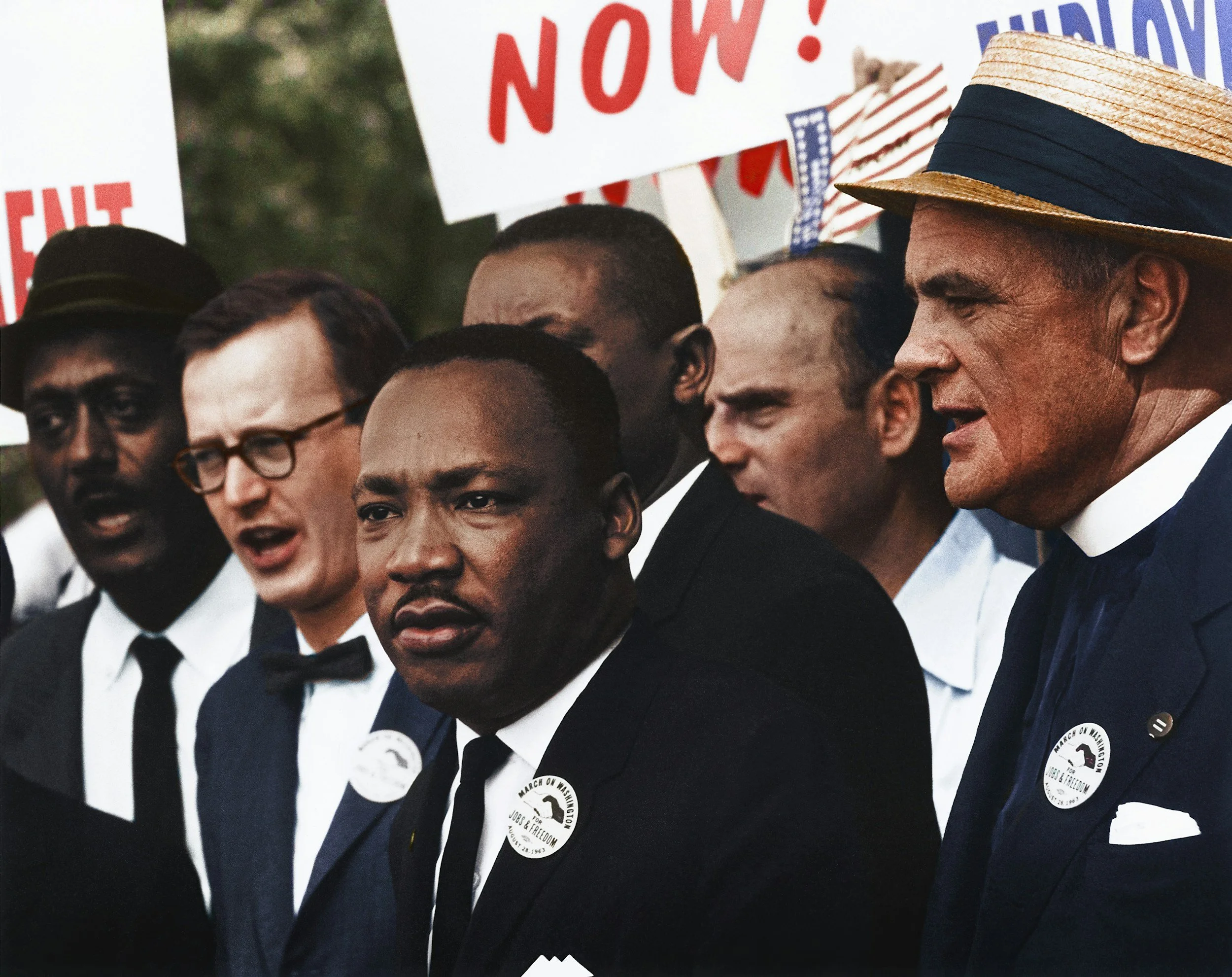
Holiday’s Strange Fruit (1939) and King’s I Have a Dream (1963) are more than art—they are mirrors reflecting the lived realities of oppression and the resilience of those who resist. Holiday’s mournful song forces listeners to confront racial violence, while King’s speech inspires hope for collective liberation.
For me, these works ask a hard question: Am I doing enough? Even under conditions far worse than today, artists and leaders rose up to create transformative works. As a trans woman of color, I see echoes of their courage in my own activism. Their example reminds me that identity is not only about survival but about the responsibility to speak, act, and build communities of resistance.
Sociocultural Factors and Identity
Identity is constructed through race, religion, gender, sexuality, and class. King’s activism drew strength from Christianity and family values, yet he also challenged the patriarchal and segregated culture of his time.
My own identity has been shaped by race and gender. As a mixed-race trans woman, I’ve seen how whiteness is often privileged within the trans community—lighter skin read as “feminine,” while ethnic features are unfairly coded as masculine. This awareness forces me to confront both privilege and exclusion, reshaping how I understand activism.
“Identity is political—it is shaped by power, culture, and history.”
Baby K: Joy and Adventure as Identity
While Holiday and King confront oppression directly, Baby K’s music celebrates joy, travel, and freedom. Her songs resonate with my chosen identity as an adventurer—someone who thrives in exploration, connection, and social spaces.
Baby K’s music teaches me that activism isn’t only about resistance—it’s also about affirming life. Just as Strange Fruit and I Have a Dream demand justice, her songs affirm the right to joy. They remind me that liberation is not only about dismantling oppression but also about embracing happiness, adventure, and human connection.
“Liberation is not only about surviving oppression—it is about living fully.”
Rand and Marx: Divergent Philosophies, Shared Concerns
Ayn Rand and Karl Marx represent radically different approaches to justice and identity. Rand’s Atlas Shrugged (1957) champions radical individualism, while Marx’s Das Kapital (1867) emphasizes collective struggle.
Though their ideologies diverge, both critique systems that dehumanize and divide. Rand insists on autonomy and self-determination, while Marx insists on solidarity and collective liberation. For me, engaging with both expands my self-concept. I value individual freedom, but I also recognize the necessity of community.
“Identity is strongest when it embraces contradiction and complexity.”
Activism and Self-Identity: A Cycle of Resistance and Renewal
Taken together, these works show that activism and identity form a cycle. Holiday and King remind us of the urgency of justice. Baby K reminds us of the importance of joy. Rand and Marx remind us that identity is shaped by both autonomy and solidarity.
Activism is not only about resisting oppression; it is about affirming humanity. Self-identity is not only about survival; it is about choosing who we want to be in the face of systemic forces. The humanities give us the tools to reflect, critique, and imagine, while activism breathes life into those reflections.
Conclusion
The creative works of Holiday, King, Baby K, Rand, and Marx reveal that activism and identity are deeply intertwined. They show that identity is both imposed and chosen, both personal and political. They challenge us to resist oppression, affirm humanity, and embrace complexity.
For me, these works are not distant artifacts—they are mirrors and guides. They remind me that to live authentically is to resist oppression, to celebrate joy, and to build communities where liberation is possible.
